Smoke Damage Cleanup

Serving all of Sacramento Northeast · Open 24/7 · (916) 909-7500

Sacramento Northeast · Open 24/7

Call (916) 909-7500Request Service

When smoke damage disrupts the comfort of your Sacramento home, reaching out to United Water Restoration Group of Sacramento Northeast is crucial for prompt and professional assistance. As soon as you call us at (916) 909-7500, our expert team will assess the situation and get to work restoring your property. Smoke damage can leave behind enduring odors and corrosive soot, compromising the integrity of your home and posing health risks. Our local expertise means we understand the specific challenges faced in areas like Roseville, Citrus Heights, and Carmichael. Whether it's a result of a kitchen mishap, electrical fire, or an unfortunate event in your neighborhood, we are here to provide responsive cleanup and restoration tailored to your needs, ensuring a return to normalcy as swiftly as possible.

  • Rapid response for immediate action
  • Specialized in smoke and fire damage
  • Local expertise in Sacramento communities
  • IICRC-certified technicians
  • Complete smoke odor neutralization
  • Assistance with insurance claims
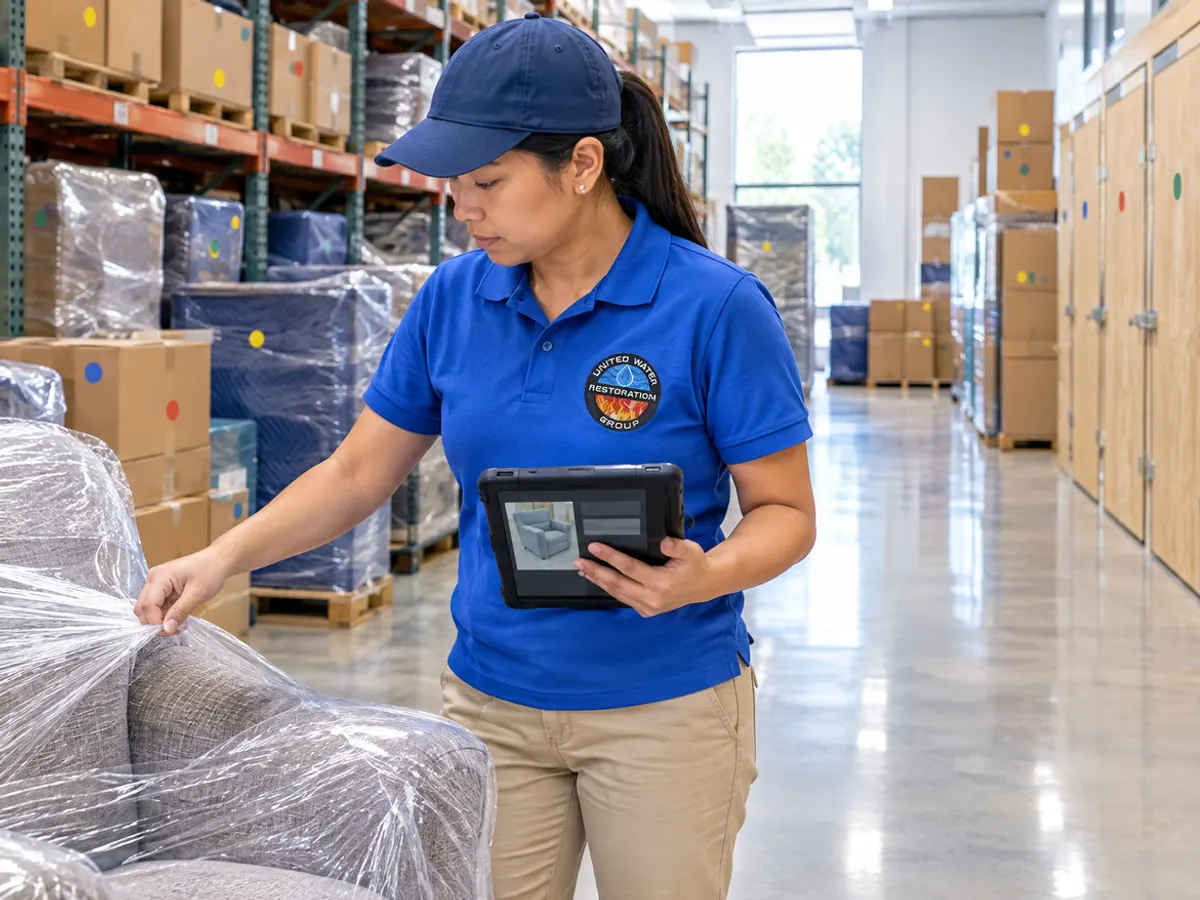
A UWRG technician logging packed-out belongings at the contents cleaning warehouse

Understanding the Smoke Damage Specific to Sacramento

Smoke damage in Sacramento homes is often influenced by the unique climate and housing styles found in the Central Valley. The older neighborhoods of Carmichael and Arden-Arcade, with their classic, often single-story homes, pose particular challenges related to smoke residue buildup in attics and chimney systems. These homes often feature traditional brick and mortar chimney structures that can inadvertently trap smoke residue, leading to complex clean-up scenarios. Moreover, attics in these older homes, often used for storage, are prone to encapsulating smoke odors due to less regulated ventilation.

Meanwhile, newer constructions in Rancho Cordova and Roseville might experience different challenges due to more modern roofing materials and HVAC designs. These modern homes often incorporate energy-efficient systems that, while reducing heat loss and saving energy, can inadvertently allow smoke particles to circulate more thoroughly if not properly filtered. This can result in HVAC system contamination, which requires specialized duct cleaning to ensure that every part of the home is free from smoke odors and soot.

Our team is adept at identifying the type of smoke residue your property might be dealing with—from wet smoke residue resulting from smoldering slow-burn fires to dry smoke residue common in faster, high-temperature fires. Furthermore, with kitchen fires prevalent in older houses, understanding and neutralizing protein residue, often invisible but pungent, becomes essential in our comprehensive cleanup strategy. These types of residue require special enzyme-based cleaners to fully break down the odor-causing particles. Corrosive soot can be especially damaging in Sacramento’s variable weather conditions, where dry summers and wet winters can reactivate residues and cause further harm to surfaces like electronics and household metals. Therefore, immediate mitigation is key to preventing long-term damage, particularly in a city that is still rapidly expanding and diversifying in terms of residential construction.

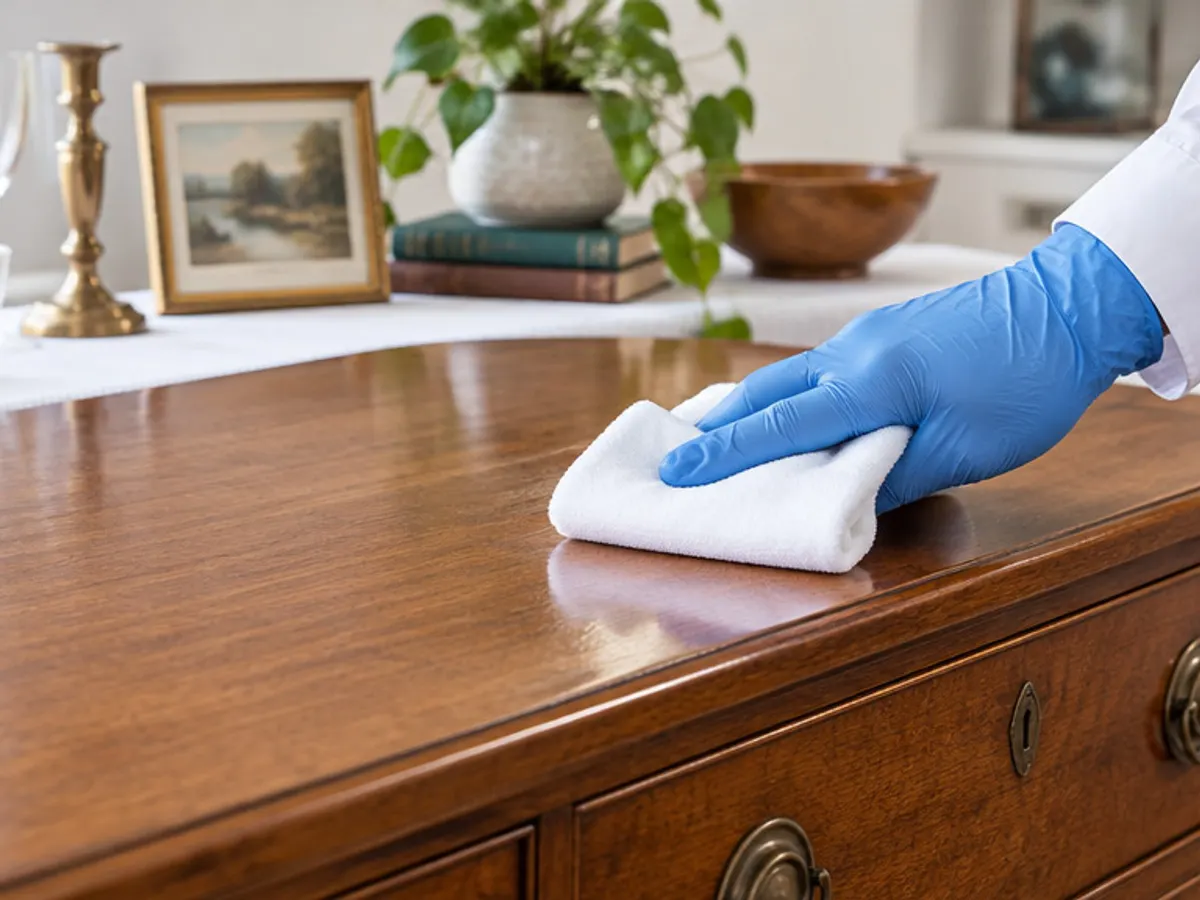
A technician wiping a cleaned, restored wood table to a polished finish

The Detailed Cleaning Process

Our thorough smoke damage cleanup process begins with an initial assessment to determine the scope of damage. This involves a detailed survey of both visible and hidden smoke and soot damage. We meticulously document our findings, a crucial step that aids in claims submission and ensures all damages are covered when working with your insurance adjuster. This documentation involves creating a comprehensive map of affected areas, noting specific types of damage such as acidic soot etching or potential health hazards posed by uncleaned residues.

Once assessed, our team uses specialized tools and techniques to clean and restore your space. This includes employing HEPA filtration systems to remove smoke particles from the air, which is vital in preventing respiratory issues and maintaining indoor air quality. HEPA filters are known for capturing even the smallest particles, ensuring a thorough cleanse. This is followed by thermal fogging techniques and ozone treatments for thorough smoke odor neutralization. Thermal fogging works by releasing a dense fog filled with deodorizing substances that penetrate all areas where smoke has traveled, eliminating odors at the source. For stubborn odors, ozone treatments may be utilized, although these require that the space be vacant during the process due to the potency of ozone.

Chemical sponges are used on surfaces to lift stubborn soot without causing further harm, ensuring all traces of smoke damage are effectively removed. These sponges are especially effective on porous surfaces where soot is more likely to cling. For homes in areas such as Folsom, which might face unique challenges like layered smoke damage from nearby wildfires during fire season, our process adapts to incorporate additional air scrubbing and filtration. This might involve the use of air scrubbers which use a combination of filters and high-powered fans to pull in and cleanse large volumes of air. Lastly, we apply stain-blocking sealers to walls and other permeable areas to prevent any residual odors from lingering, ensuring your home feels, and smells, just like home again.

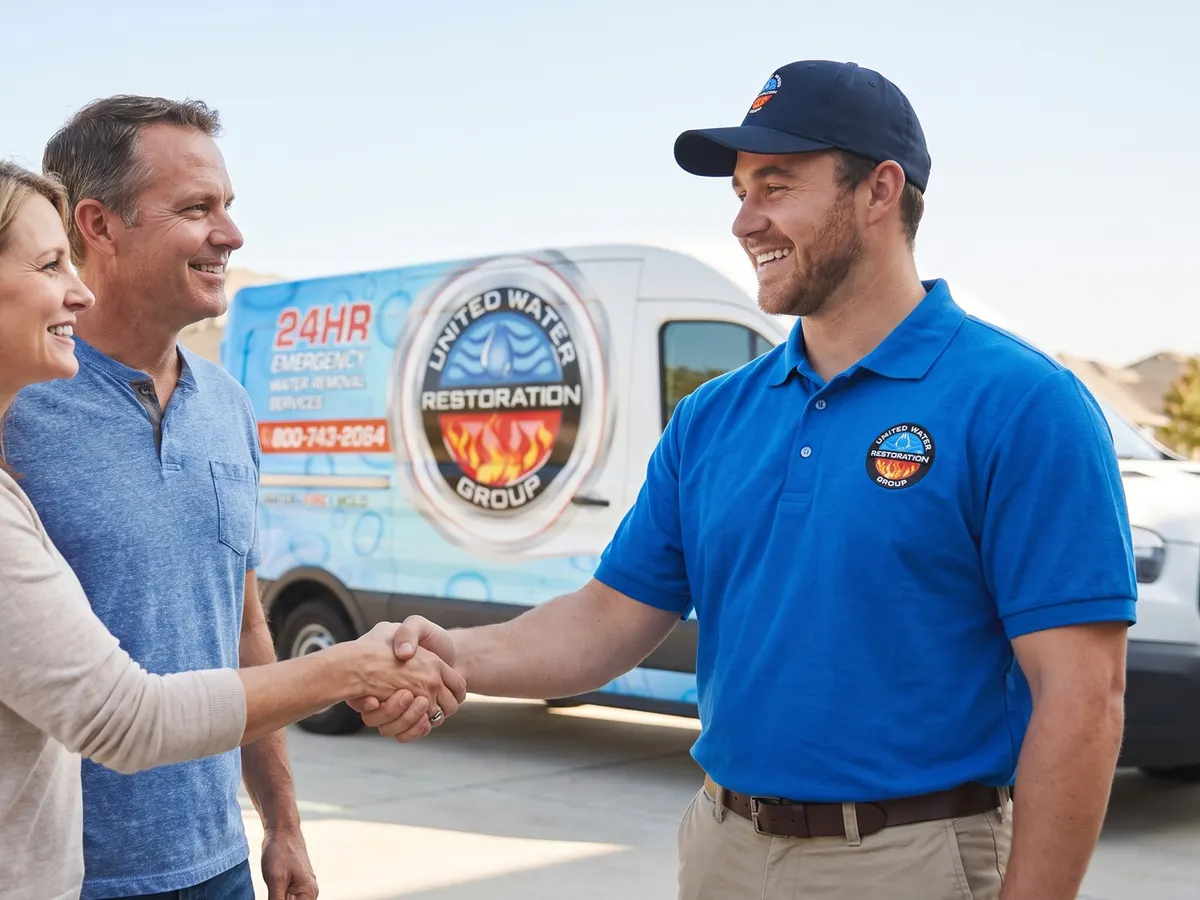
A UWRG technician shaking hands with homeowners beside the service van

Navigating Insurance and Restoration with Ease

Dealing with insurance claims after a fire can be daunting, but our experienced team at United Water Restoration Group of Sacramento Northeast is here to guide you every step of the way. We start by ensuring all affected items and structural damage are meticulously documented. This includes conducting contents pack-out and inventory, which helps assess salvageable items while ensuring accurate claims are filed. Our team not only lists items to be restored but also provides an estimation of the cost and potential time for restoration, which helps when dealing with adjusters.

Understanding your policy is critical. Insurance policies vary greatly, and our team helps you decipher complex coverage details, from the specifics of what smoke damage scenarios are covered to what limitations might exist in terms of timing and extent of repairs. We’ll assist you in understanding these specifics and help navigate the often complex correspondence with your insurance adjuster. With our comprehensive service, from the initial emergency mitigation to secondary damage assessment caused by extinguishing methods, every aspect is tailored to ensure you receive the rightful assistance.

In neighborhoods like Orangevale or Granite Bay, where large or custom-built homes might imply more extensive and complex claims, our detail-oriented documentation is invaluable. Custom details like unique architectural features or high-value contents require extra careful evaluation and documentation. Our assistance doesn’t stop at restoration; it extends to ensuring your claims process is as smooth and stress-free as possible, helping you get back on your feet faster. By managing communication with your insurance company, we relieve you from the stress of advocating for adequate coverage so that you can focus on returning to daily life.

Common Causes We See in Sacramento Northeast

  • Kitchen grease fires, common due to high cooking temperatures and unattended cooking
  • Electrical fires, particularly in older homes with outdated wiring or overloaded circuits
  • Candle mishaps, especially during holiday seasons when decorations are abundant
  • HVAC malfunctions that spread smoke through duct systems into living spaces
  • Chimney fires from improper maintenance or creosote buildup
  • Fires from outdoor grills or barbecues too close to the home structure
  • Lightning strikes igniting roofs in summer thunderstorms, causing internal smoke damage
  • Negligent smoking indoors leaving inflammable residue in furniture and carpets
  • Fireworks accidents during celebrations, especially during July 4th events
  • Wildfire smoke affecting indoor air quality and increasing respiratory issues

While You Wait for the Crew

A few minutes of the right first moves can save thousands in damage. Here is what to do — and what not to do — before we arrive.

Do

  • Ventilate the home by opening windows and doors if safe.
  • Turn off HVAC systems to prevent further smoke spread.
  • Remove small items from affected areas to limit damage.
  • Document all visible damage with photos for insurance.
  • Contact United Water Restoration Group immediately for faster service.

Don’t

  • Do not attempt to wash walls or painted surfaces—could worsen damage.
  • Avoid using electrical appliances unless deemed safe by professionals.
  • Do not turn on ceiling fans—could spread soot further.
  • Do not use standard cleaning agents—they can set stains.

Crews are standing by in Sacramento Northeast right now.

Call (916) 909-7500

How It Works

Here Is What Happens When You Call

The hardest part of property damage is facing it on your own. You do not have to — from the first phone call, it is our job, not yours.

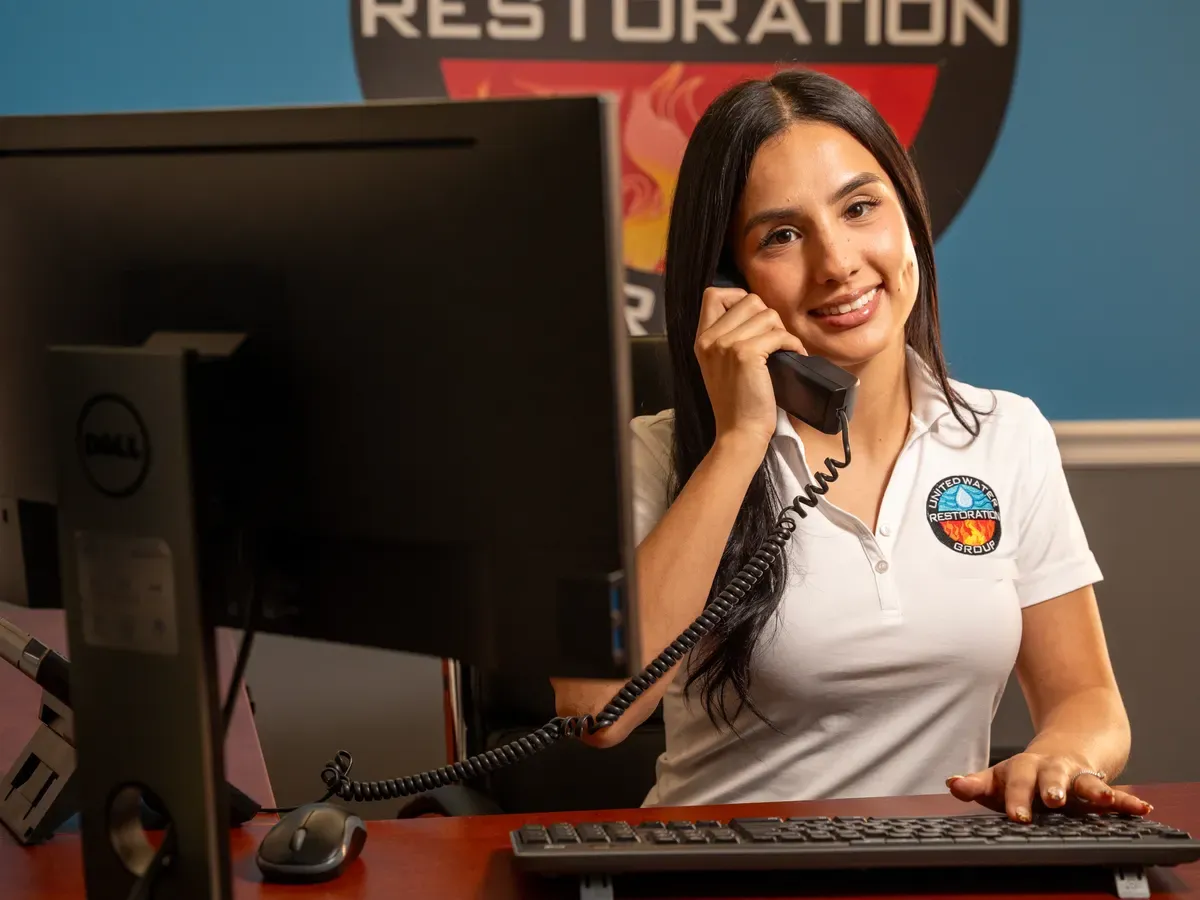
  1. A UWRG dispatcher answering an emergency call at her desk

    Step 01

    You call, a real person here answers

    Any hour, any day, your call is picked up by a real person on our Sacramento Northeast team — not a machine and not a national call center. We are locally owned and operated, so the people you talk to are the same people who show up at your door. From that moment, it stops being your problem to solve on your own.

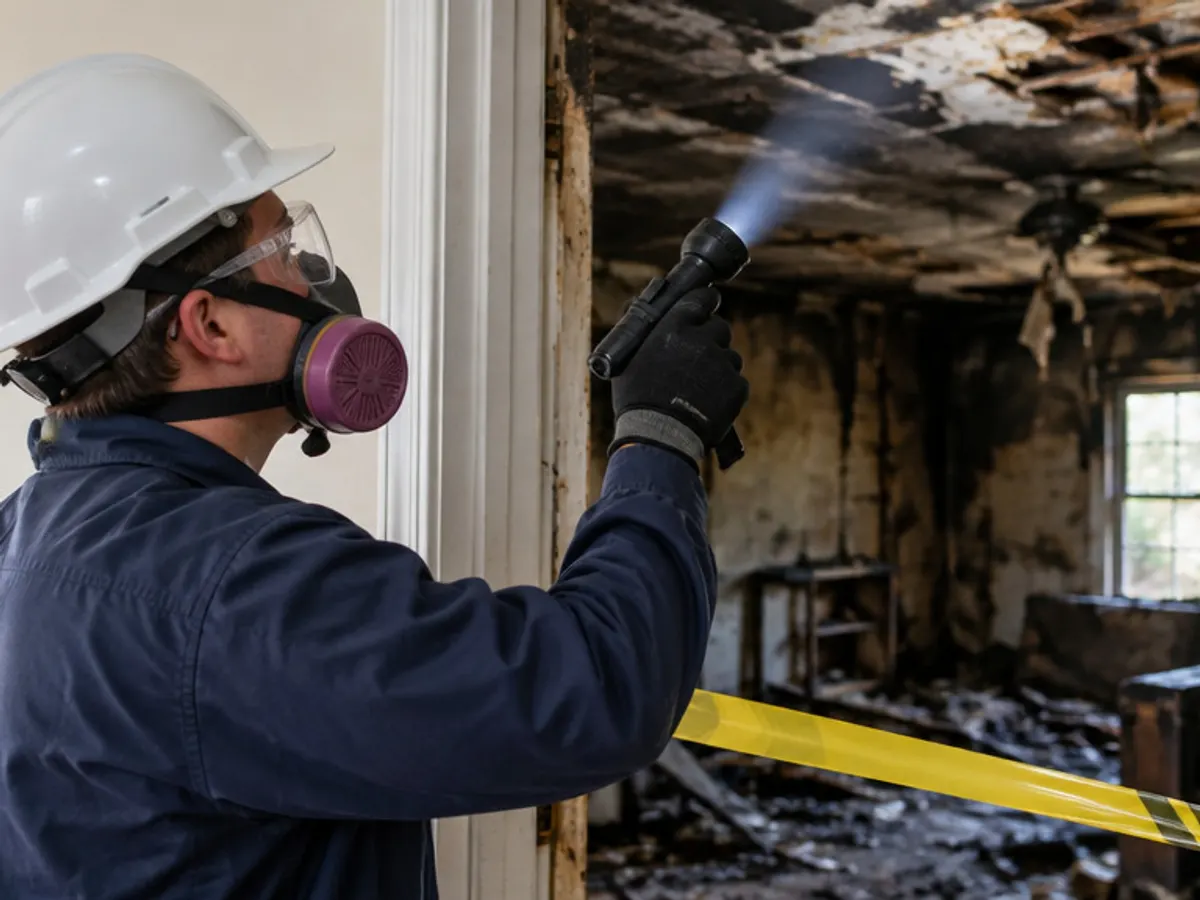
  2. A technician in a respirator inspecting a fire-damaged room with a flashlight

    Step 02

    Assessment and Documentation

    We begin with a comprehensive evaluation of the smoke damage, documenting affected areas and contents. This documentation is meticulous, using digital photos and written records, ensuring that you have all necessary information for your insurance company. This crucial step ensures that all damages are recorded for insurance purposes and sets a clear roadmap for restoration.

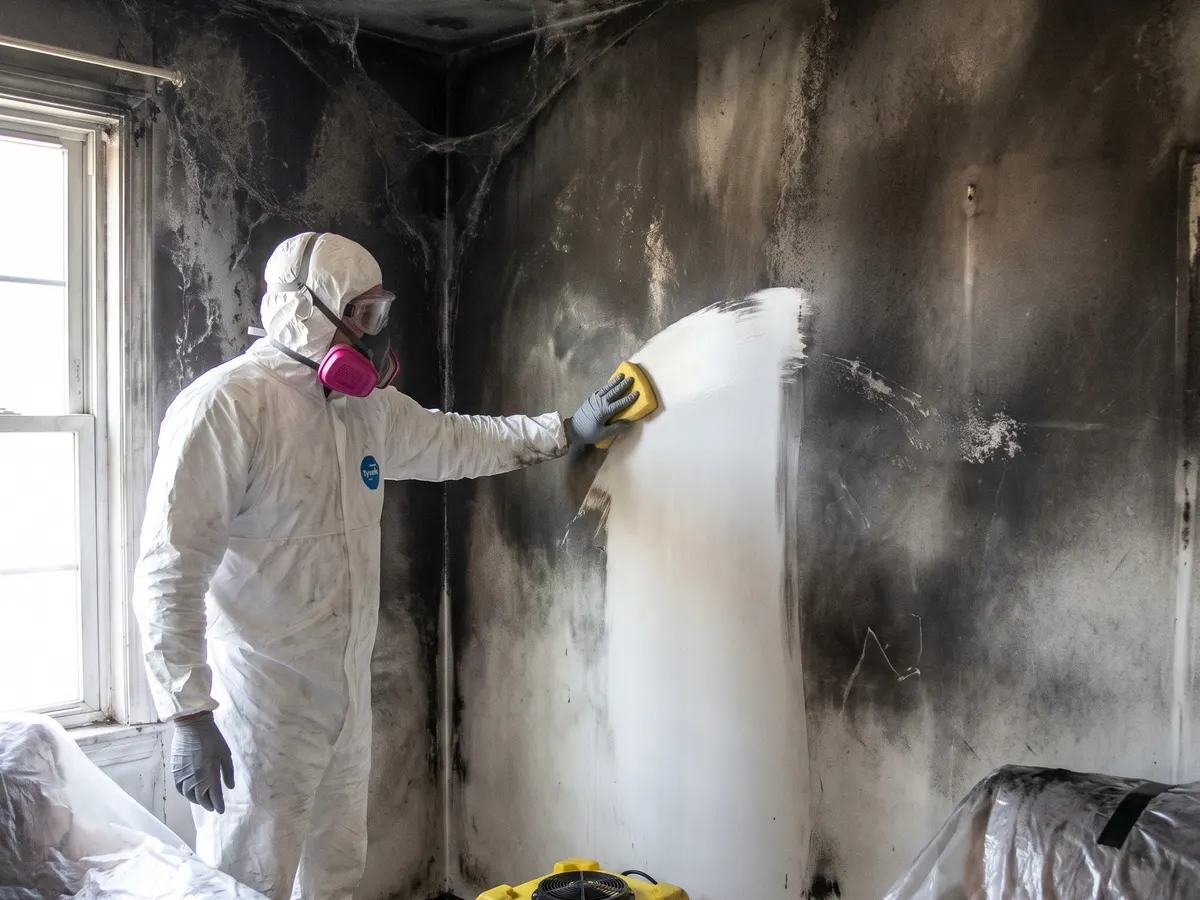
  3. A technician in protective gear sponging soot off a wall

    Step 03

    Soot and Smoke Residue Removal

    Utilizing advanced cleaning methods, our team tackles wet, dry, and protein residues using chem sponges and specialized cleaners. This step is essential to prevent acidic soot etching and corrosion. Special attention is given to areas like bathrooms and kitchens where residues might mix with moisture, potentially causing secondary damage if not cleaned properly.

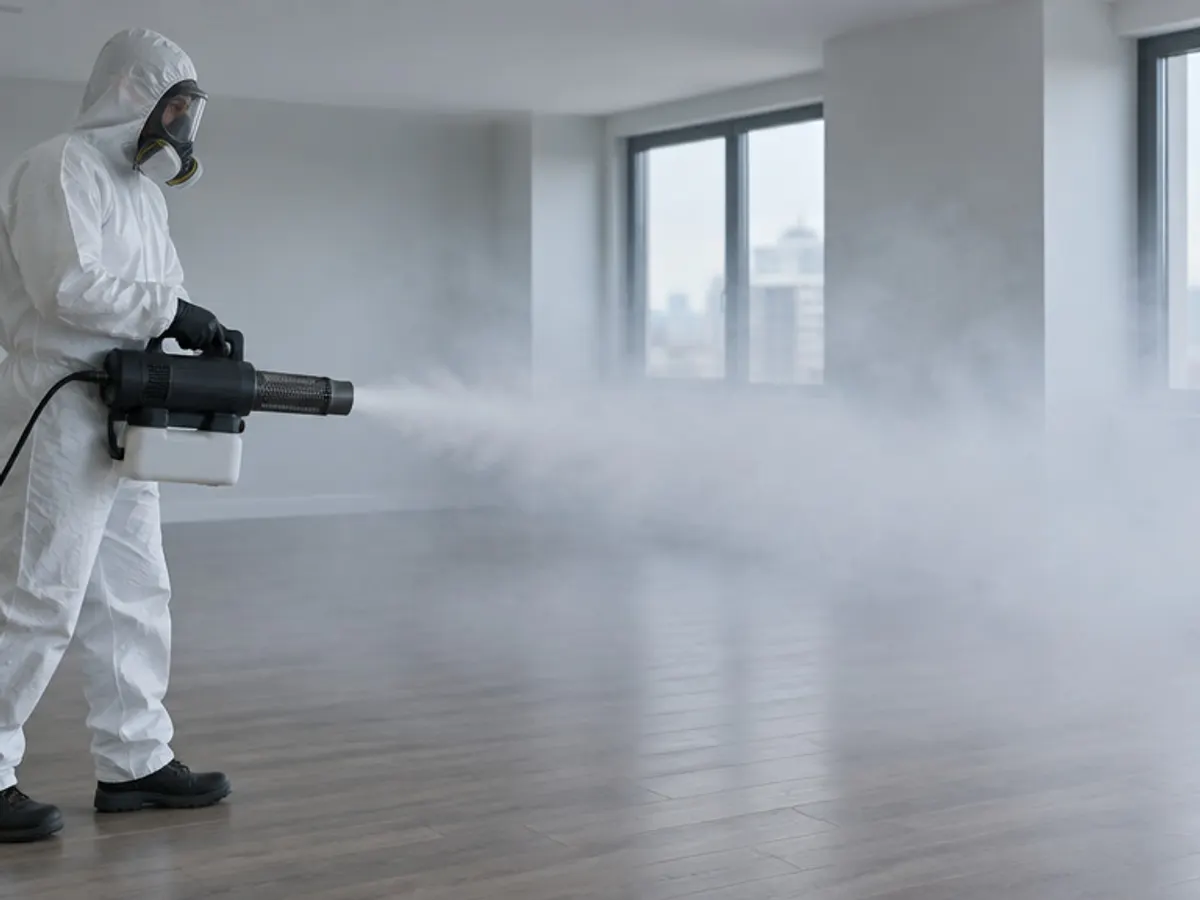
  4. A technician fogging a room to neutralize smoke odor

    Step 04

    Odor Neutralization

    Smoke odor is tackled with a combination of thermal fogging, ozone treatment, and hydroxyl generators, ensuring complete odor removal. Hydroxyl generators are particularly useful, as they allow for treatment in occupied spaces. Stain-blocking sealers are applied to prevent lingering odors, giving surfaces like walls and ceilings a fresh start.

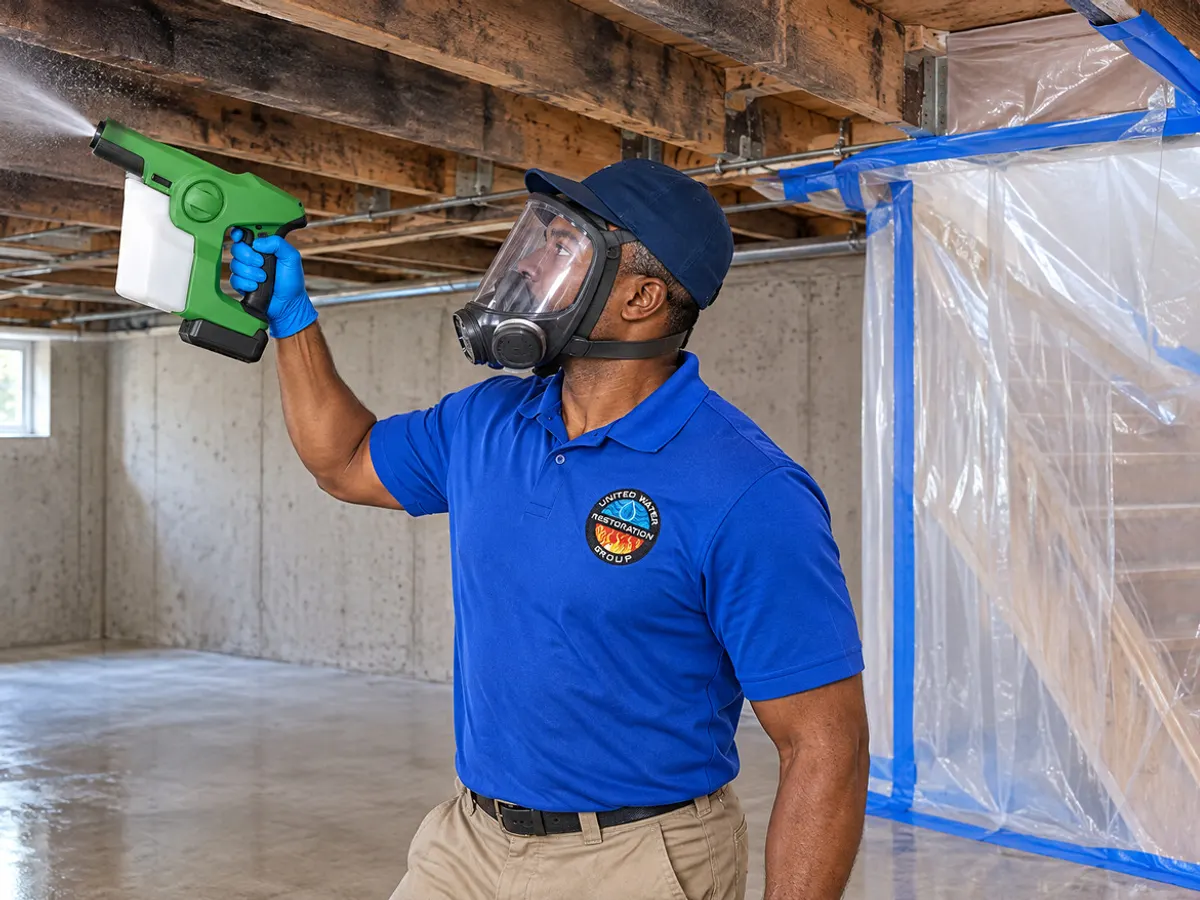
  5. A technician spraying antimicrobial treatment across exposed framing

    Step 05

    Electronics and Contents Cleaning

    Special attention is given to electronics which are evaluated for smoke damage. Through our pack-out service, items are professionally cleaned and restored in an ozone chamber, a controlled environment that helps remove smoke odor and residue, to return them to pre-damage condition. Delicate items like photos and documents receive specialized care to prevent further degradation.

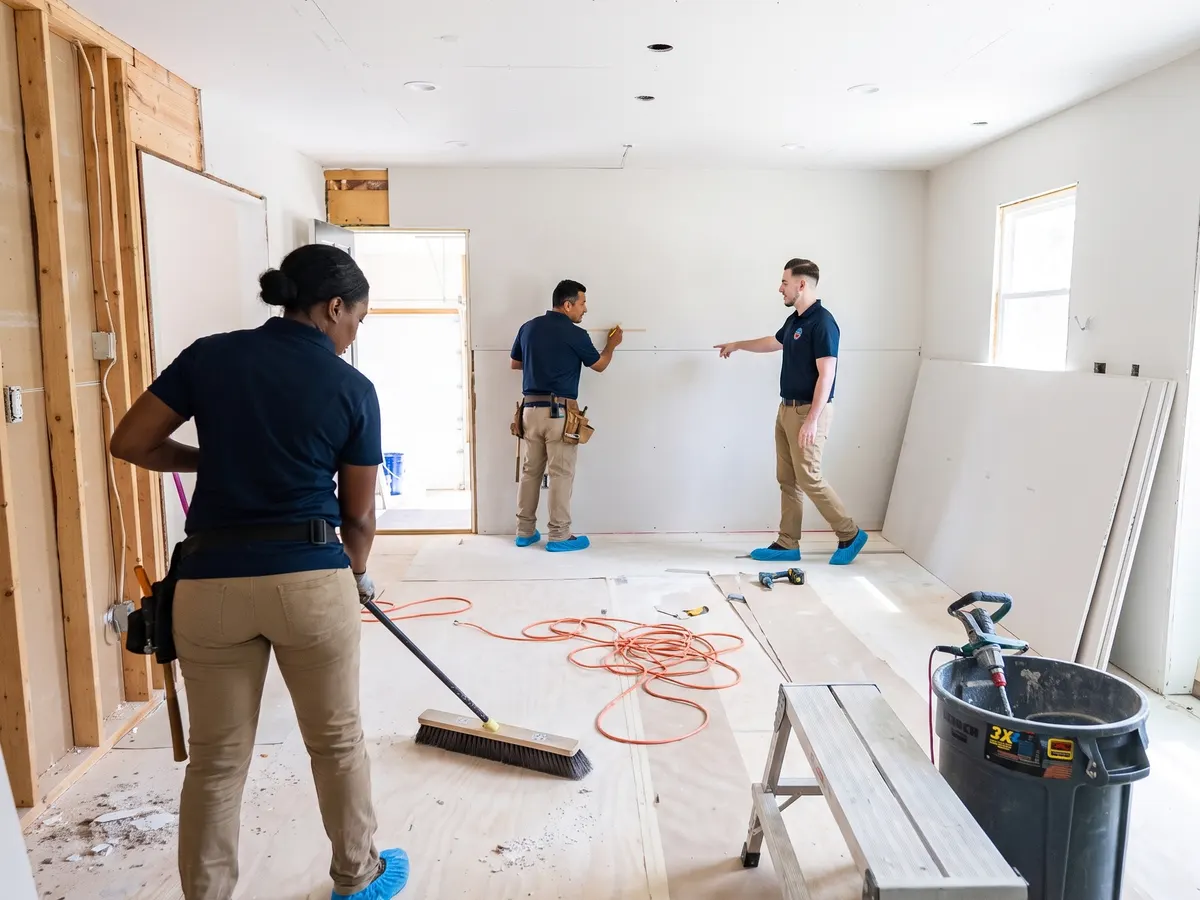
  6. A crew rebuilding and cleaning up a restored room

    Step 06

    Structural Repairs and Final Checks

    Any structural repairs needed, such as wall and ceiling refurbishment, are completed with precision and care. We also conduct a thorough inspection post-restoration, checking for any overlooked details and ensuring a smoke-free environment. This final step includes testing air quality to verify that the home is safe and fully restored.

We Work With Your Insurance

Restoration is stressful enough without fighting through a claim alone. Our crews document everything — photos, moisture readings, and a clear scope of work — in the format adjusters expect, and we communicate with your insurance company throughout the job. You always know what is happening and what your policy covers before work begins.

AllstateState FarmLiberty MutualProgressiveNationwideFarmers InsuranceAmerican Family InsuranceChubbUniversal Property & CasualtyHeritage Insurance
Technician walking a homeowner through the insurance scope on a tablet

What This Service Covers

Smoke odor removalSoot cleaningHVAC duct cleaningStructural cleaningContents cleaning and restorationPack-out servicesBoard-up and tarpingElectronics evaluationDeodorizationAir filtration

Trust United Water Restoration Group of Sacramento Northeast to address your smoke damage with expertise and care. Whether you're located in the heart of Sacramento or the surrounding areas such as Rancho Cordova or Roseville, our team is ready to respond swiftly to restore your home to its pre-loss condition. Smoke damage doesn't just affect the look of your property; it impacts your health and comfort. Call us today at (916) 909-7500 and let us handle your restoration needs with the dedication and professionalism your home deserves.

Frequently Asked Questions

Do you handle fire and smoke damage restoration, or only water damage?

Both. Fire and smoke work is its own discipline with its own standard, ANSI/IICRC S700, covering soot removal, odor control and the cleaning of surfaces flame never touched. Smoke residue sorts into four types — dry, wet, protein and fuel oil — each cleaned differently, so the scope comes from an inspection of your specific loss rather than from a list set in advance. Water damage follows a separate standard, S500, and many fire losses involve both.

Can smoke smell from cigarettes or marijuana actually be removed, or only covered up?

Masking fails because smoke odor is residue sitting on surfaces, not air. Deodorization works in four stages: remove the source material, clean every surface holding residue, treat what remains, then seal what cannot be cleaned. ANSI/IICRC S700 puts source removal before any sealing, and that holds for tobacco or cannabis alike. The EPA and CDC describe residual tobacco smoke settling into walls, carpet and dust long after the smell fades. Heavy saturation often means replacing some materials, and every house differs.

Can you keep the smell from spreading to the rest of my house while you work?

Containment comes first, before any cleaning. The work area is sealed with sheeting and held under negative pressure so air moves into the zone rather than out into the rest of the home, then exhausted through HEPA filtration, which captures 99.97 percent of particles at 0.3 microns, the hardest size to catch. IICRC S520 describes the same containment principle for mold work. How much enclosing a home needs, and how completely it holds, depends on how far residue already traveled.

How do I tell whether a smell is on the surface or coming from inside the wall?

Press a damp white cloth on a hidden patch. If residue transfers and that spot goes quiet, it was surface odor. If it returns a day or two after cleaning, or sharpens when the heating and cooling system runs, the source sits in a wall cavity, insulation or ductwork. ANSI/IICRC S700 treats odor as residue to be located, not covered, and protein residue leaves almost no visible mark while carrying strong odor, so a cloth coming back clean does not rule it out.

Is the estimate free, or do you charge to come out and inspect?

Having someone come out and look at the damage carries no charge in most cases. That visit is what sets the scope: which of the three water categories in ANSI/IICRC S500 applies, how far it migrated, and what has to be dried. A written estimate is separate work, and depending on the office, preparing one may carry a fee. You are told what is chargeable before anything is charged.

When can someone come out, and can work start on the first visit?

The phone is answered around the clock, and on that call you are given an honest arrival window for your specific address rather than a stock answer. The visit is not a sales appointment — crews carry extraction and drying equipment, so when the situation calls for it emergency work can begin on the first visit: standing water pulled out, air movers and dehumidifiers set, and the wet area mapped against a dry standard under ANSI/IICRC S500.

How much does restoration cost?

Nobody can price a loss honestly without seeing it. The number is built from measured facts: the square footage affected, how much material has to come out, the water category — 1 through 3 under ANSI/IICRC S500 — and how many days of drying equipment the structure needs. Most carriers settle water claims against Xactimate's regional price list, the same line-item data a properly written estimate uses. A contained spill and a loss that soaked three rooms are not in the same range.

What kinds of damage and cleanup do you handle?

Water damage is the bulk of the work, across all three categories ANSI/IICRC S500 defines — clean supply water, gray water, and sewage. Fire and smoke work covers soot, char and odor. Mold remediation follows IICRC S520. Storm and wind damage, contents cleaning for furniture and belongings, and the reconstruction that puts drywall, flooring and cabinetry back are all in scope, though what each office handles in-house varies. Plumbing, roofing and electrical repairs are separate trades.

Can you give me a price range over the phone, or quote from photos or a report I already have?

Photos and a report you already have are genuinely useful — bring them, they shorten the visit. What they cannot do is produce a number, because what drives the scope is moisture inside material you cannot photograph. ANSI/IICRC S500 works from meter readings against a dry standard in the same building, and from the water category: Category 1 can often be dried in place, while Category 3 means contaminated material comes out instead. A range quoted sight-unseen is a guess, and guesses move.

Do you work with insurance companies — can you bill my insurer directly, or do I pay and get reimbursed?

Direct billing to the carrier is common on covered losses, arranged once the claim number and adjuster are in hand, so you are not fronting the whole job. Carriers generally review water losses as Xactimate line items rather than a lump sum. How it runs depends on your policy — some issue payment to you and your mortgage holder rather than the contractor, which changes the paperwork but not the scope. You are told which arrangement applies before work starts.

Do I need to call a plumber first, or do you stop the leak too?

Turning the water off at the main comes first, if you can reach it safely, because that is what stops the loss from growing. Repairing the failed pipe, fixture or roof is plumbing or roofing work and usually a separate trade. Mitigation does not have to wait on that repair: ANSI/IICRC S500 treats source control and structural drying as distinct steps, so extraction and drying can start while the plumbing is still being scheduled.

What should I do right now, before the crew arrives?

Shut off the water at the main and kill power to the affected area at the breaker if you can do it from a dry spot — never standing in water. Lift what you can off wet flooring, especially anything wood, paper or upholstered, and pull rugs up. Blot or wet-vac standing water if it is clean. The clock is real: EPA guidance is that wet material dried in the first 24 to 48 hours will in most cases not grow mold.

Will I get a written estimate before work starts, and how soon after the visit?

Emergency mitigation usually starts on a signed work authorization covering extraction and drying, because waiting on paperwork while water sits makes the loss bigger. The line-item estimate follows, and when it lands depends on the size of the loss and whether a carrier is reviewing it; the office can give you a realistic date on the call. The daily moisture readings ANSI/IICRC S500 requires are what justify each line, and a scope that grows gets a revised estimate.

What are your hours — do you work nights and weekends, and does that cost more?

The phone is answered around the clock, including nights, weekends and holidays, because a loss found at night only gets worse while it sits, and on that call you are given an honest arrival window for your address. After-hours labor is a recognized line item in Xactimate, the pricing data carriers settle against, so where it applies it shows on the estimate like everything else rather than as a surprise. Whether it applies to your situation at all is said plainly up front.

If this isn't something you handle, can you point me to someone who does?

Ask on the call and you will get a direction rather than a dial tone. Some work genuinely belongs elsewhere: a plumber for the pipe itself, a roofer for the roof, an HVAC contractor for a condensate or duct problem, and for mold an independent indoor environmental professional, since IICRC S520 flags the conflict of interest when the same firm both assesses and remediates. Saying so plainly is more use to you than a visit that goes nowhere.

Does homeowners insurance cover this, and will I still owe my deductible?

Most policies cover sudden, accidental water damage and exclude damage that developed gradually, and the wording varies from policy to policy — read your own and ask your adjuster directly rather than assuming it either way. Your deductible applies regardless and cannot be waived, discounted or absorbed into the invoice. Anyone offering to do that is describing insurance fraud.

Should I call my insurance company first, or get you out first — and does the work wait for their approval?

Either order works, and many people do both back to back. What should not happen is drying waiting on a claim decision. EPA guidance puts the mold window at 24 to 48 hours for wet material, and most policies place a duty on the homeowner to prevent further damage, which is why emergency mitigation proceeds on your own authorization while the claim is still being opened. The readings and photos taken at the start are what the adjuster reviews later.

Is anything due up front, what payment methods do you take, and do you offer payment plans?

On an insurance claim the usual pattern is that your deductible is collected and the carrier's payments cover the rest as work is approved, which usually means no large sum is due before mitigation begins. Self-pay jobs are structured differently and often staged between drying and repairs. Card, check and ACH are normally accepted, some offices can arrange terms, and any processing fee is disclosed before you pay. What applies to you is in writing before you sign.

What information do you need from me to get started?

The basics are the address and how to get in, a callback number that reaches you, what you know about the source and when it started, and whether power and water are still on. If a claim is open, add the carrier, policy and claim number and the adjuster's details. Photos taken before anything was moved matter more than they look: ANSI/IICRC S500 scoping rests on documented conditions, and the earliest record cannot be recreated later.

Will you document the damage for my claim and deal with my adjuster, or do I handle that?

Documentation is part of the job, not homework for you. Moisture readings, photographs, affected material measurements and daily drying logs are produced as the work goes, because ANSI/IICRC S500 expects drying to be verified against a dry standard rather than declared. You can ask for copies of all of it. Discussing scope with an adjuster who is limiting it is normal, though the carrier makes the coverage decision and the policy sets the limits.

Is it safe for my family to stay in the house while this is going on?

That depends on what the water is and what it reached, and it is assessed first. ANSI/IICRC S500 sorts water into three categories, and Category 3 — sewage or heavily contaminated water — is treated as a containment job with restricted entry. The EPA and CDC describe mold and sewage exposure as a greater concern for infants, older adults and people with asthma or weakened immune systems. Clean-water losses confined to one area often allow normal occupancy; ask about your own rooms.

Can you still help me if I don't have insurance, or don't want to file a claim?

Self-pay customers are welcome, and plenty of people choose that route deliberately when the likely scope sits near or under their deductible or they would rather not have a claim on record. The work itself does not change — the same ANSI/IICRC S500 drying standard, the same readings, the same verification. What changes is the paperwork and the payment arrangement, which the office walks you through, including how the scope can be staged if that helps.

Request Service Online

Tell us what happened and we will call you right back. For emergencies, calling (916) 909-7500 is always fastest — we answer 24/7.

A United Water Restoration Group of Sacramento Northeast van heading out on an emergency call at sunset

In Case of Property Damage, Call:

916-909-7500

We answer around the clock and dispatch from right here in Sacramento.

IICRC Certified · Water · Fire · Mold · 24/7 Emergency Response