Mold Remediation

Serving all of Sacramento Northeast · Open 24/7 · (916) 909-7500

Sacramento Northeast · Open 24/7

Call (916) 909-7500Request Service

Living in Sacramento, residents understand the challenges that come with our unique climate: sizzling dry summers and rain-soaked winters can sometimes create the perfect environment for mold growth in homes. When you call United Water Restoration Group of Sacramento Northeast for mold remediation, you're reaching out to a trusted team that is recognized for its rapid responses and professionalism in dealing with mold issues, as reflected by numerous 5-star reviews. Our specialized services address the specific needs of local homes, whether you're facing attic mold in older properties around Carmichael or damp trapped under flooring in newer subdivisions in places like Roseville. We combine state-of-the-art technology and a deep understanding of Sacramento's climate to locate and eradicate sources of mold, improving your indoor air quality and implementing effective mold remediation techniques to restore your peace of mind quickly and efficiently.

  • Rapid response in the Sacramento area.
  • Expertise in local mold challenges.
  • IICRC certified mold remediation.
  • Focus on improving indoor air quality.
  • Detailed process from inspection to clearance testing.
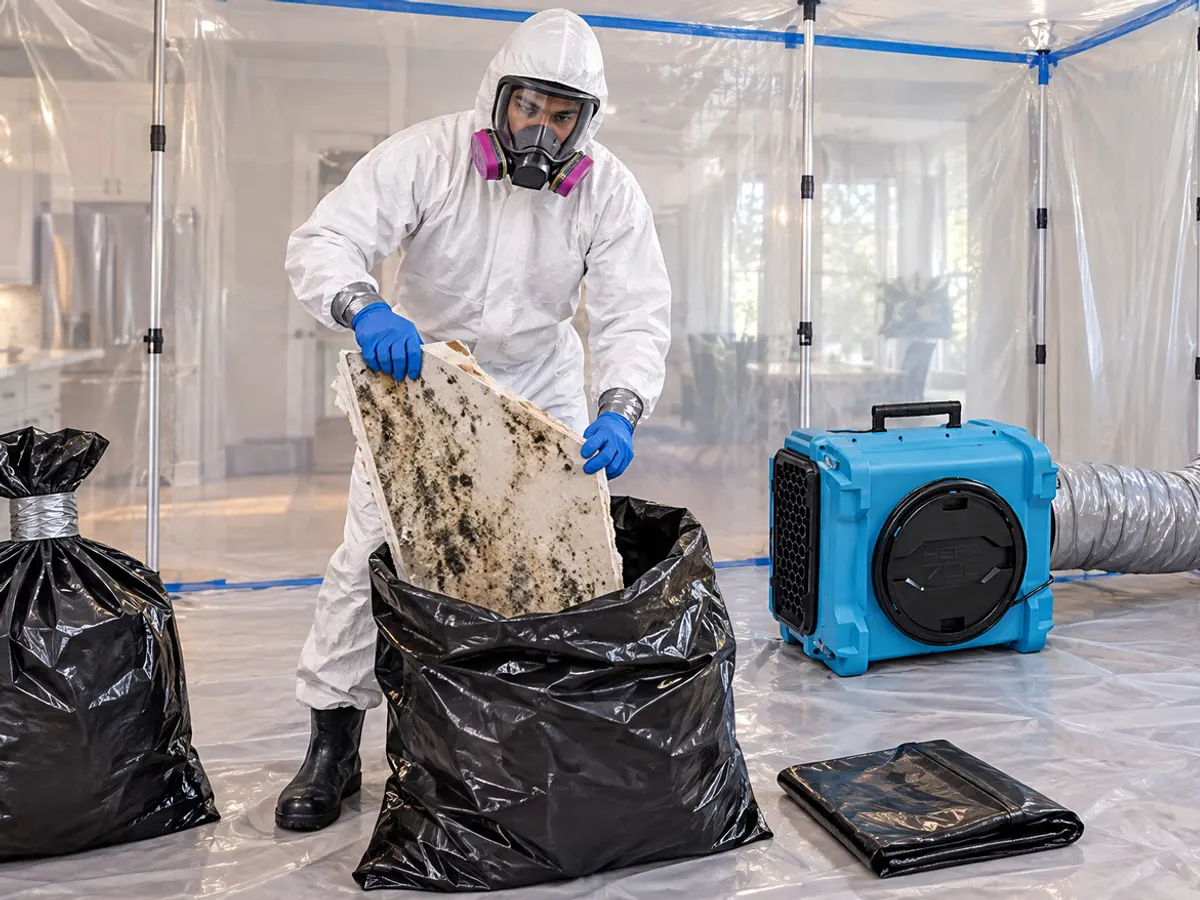
A technician in full protective gear bagging moldy drywall inside containment

Understanding Mold Challenges in Sacramento Homes

Mold is a common issue in Sacramento due to our climatic conditions, ranging from the hot dry summers to moist, rainy winters. Homes in older neighborhoods like those in Citrus Heights often suffer from hidden mold issues due to slow plumbing leaks or condensation, particularly in attics or crawl spaces. Meanwhile, the newer subdivisions around Rancho Cordova might deal with mold arising from damp held under slab flooring or inadequate bathroom ventilation. These environmental factors are complemented by structural vulnerabilities, such as outdated windows or poor insulation, which further exacerbate mold prevalence.

The mold types predominantly found in Sacramento include Stachybotrys, Aspergillus, and Penicillium. These molds thrive in dark, damp environments, often found behind walls, under carpets, or in the corners of less ventilated areas. They can lead to musty odors and potentially cause respiratory irritation or allergies, making it essential to address them promptly. Understanding these mold varieties and their typical environments helps us strategize effectively, tailoring our services specifically to meet the needs of Sacramento homeowners.

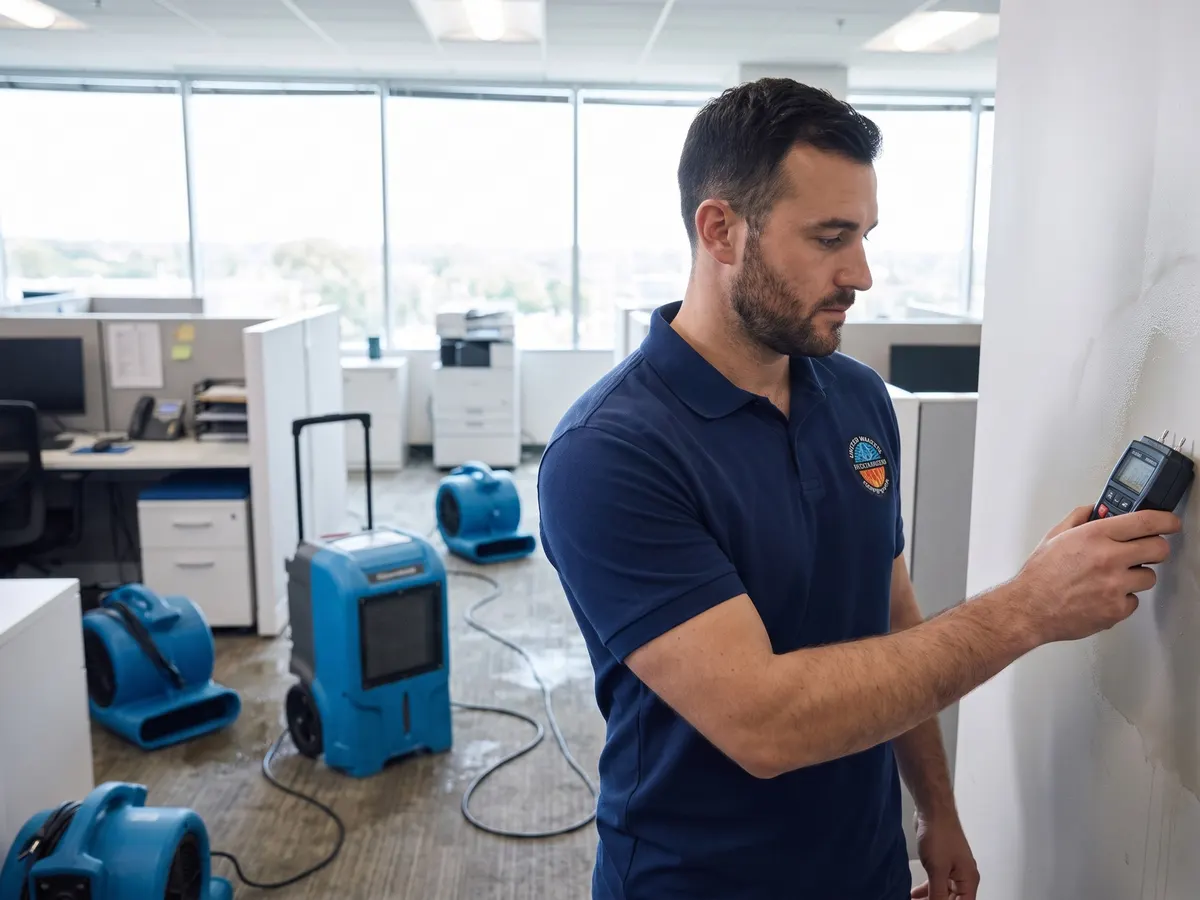
Our approach begins with a comprehensive mold inspection, employing tools like moisture meters and thermal imaging to detect not just visible signs but also potential hidden threats. This thorough initial assessment ensures that we not only eliminate existing mold but also implement preventative measures. We aim to address root causes such as high relative humidity or unresolved moisture sources, stabilizing your home's environment to inhibit future mold growth.

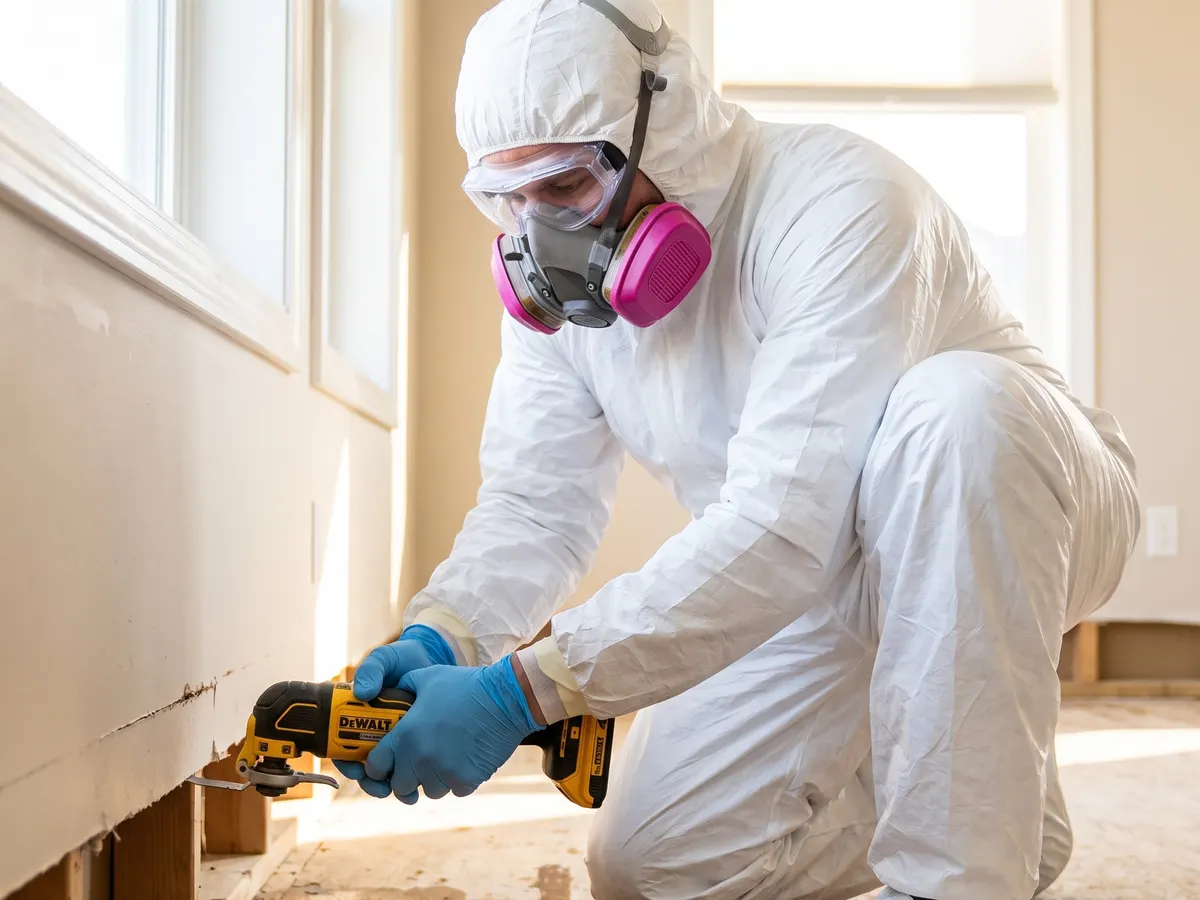
A technician in protective gear cutting out damaged drywall

Comprehensive Mold Remediation Process

The mold remediation process at United Water Restoration Group of Sacramento Northeast is guided by the IICRC S520 standard, ensuring all protocols are met to safely and effectively remove mold from your home. We focus on each step, from initial inspection to post-remediation verification, to protect your family’s health and home’s integrity. Our team's expertise lies in identifying potential indoor air quality issues that could exacerbate mold presence, such as inadequate ventilation or persistent humidity.

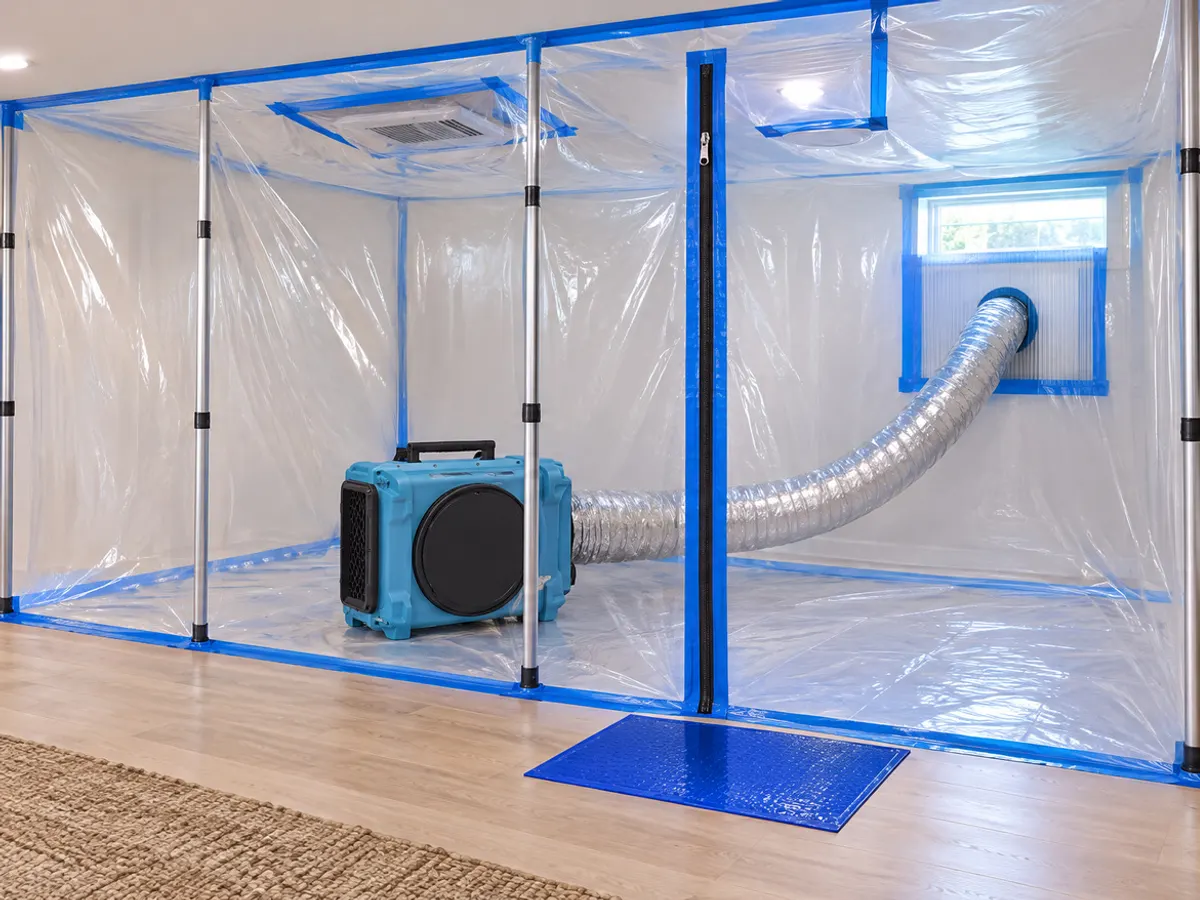
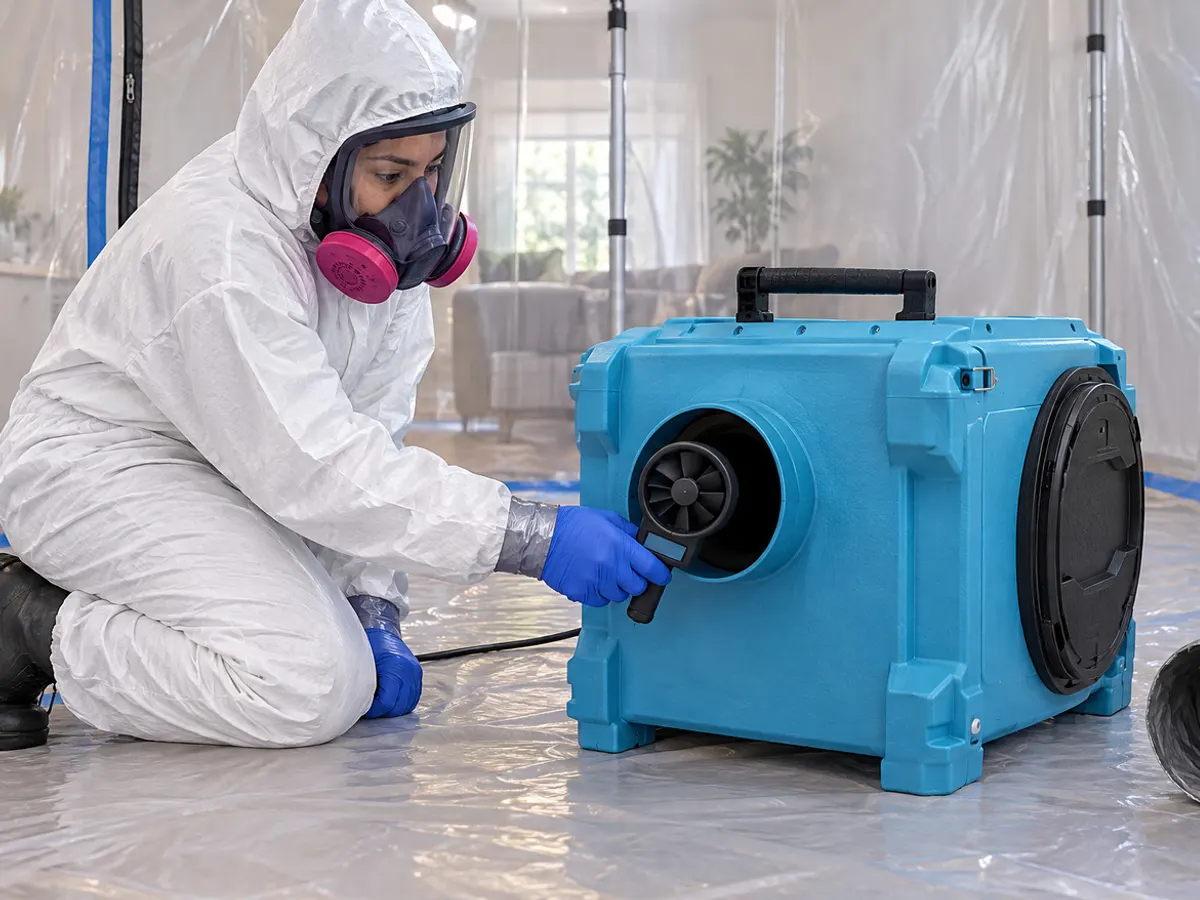
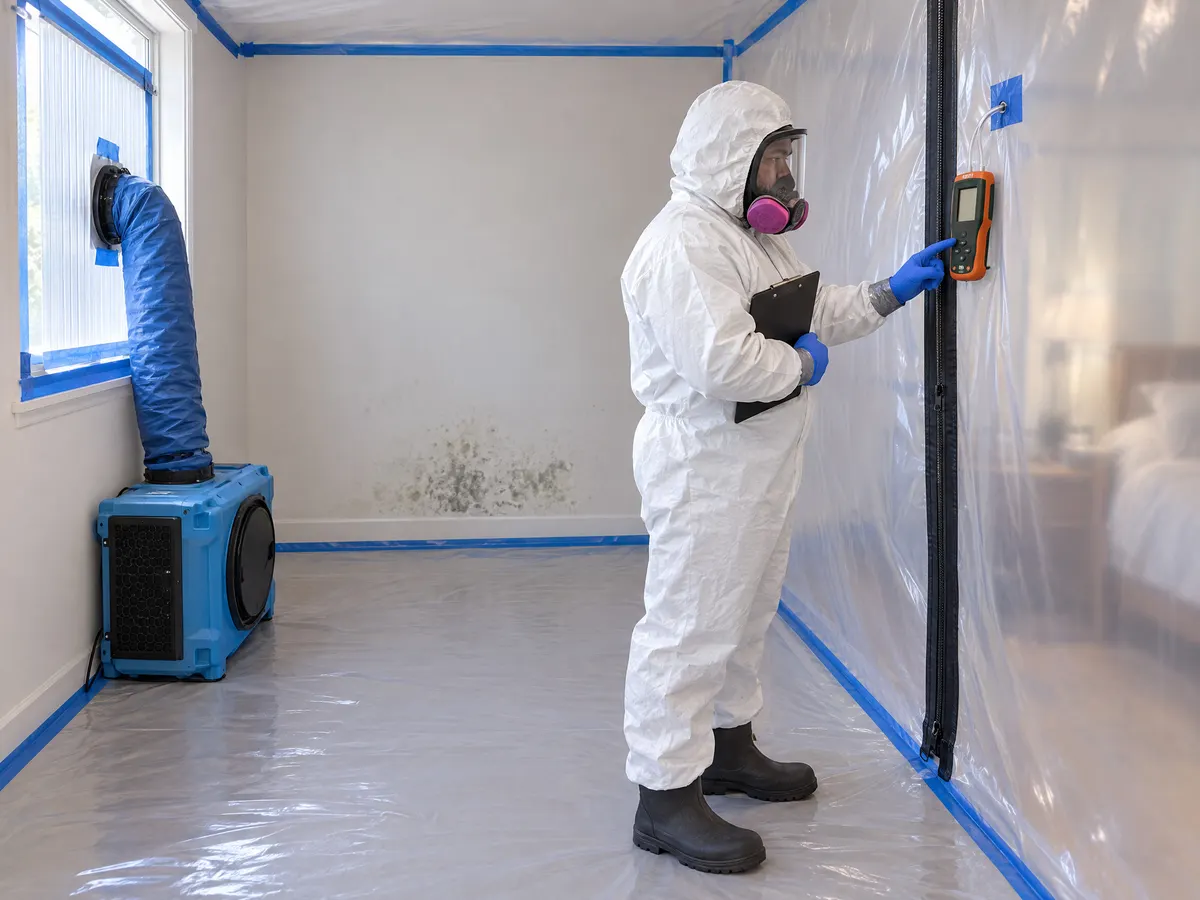
Upon containment setup, 6-mil plastic sheeting is used to secure the affected areas, followed by the deployment of HEPA-filtered air scrubbers that significantly improve air quality by capturing and containing mold spores. Containment is vital as it creates a controlled environment using negative air pressure, preventing spores from spreading to unaffected parts of the house. Air quality monitoring throughout the process helps ensure the containment remains effective, maintaining a safe living condition in other parts of your home.

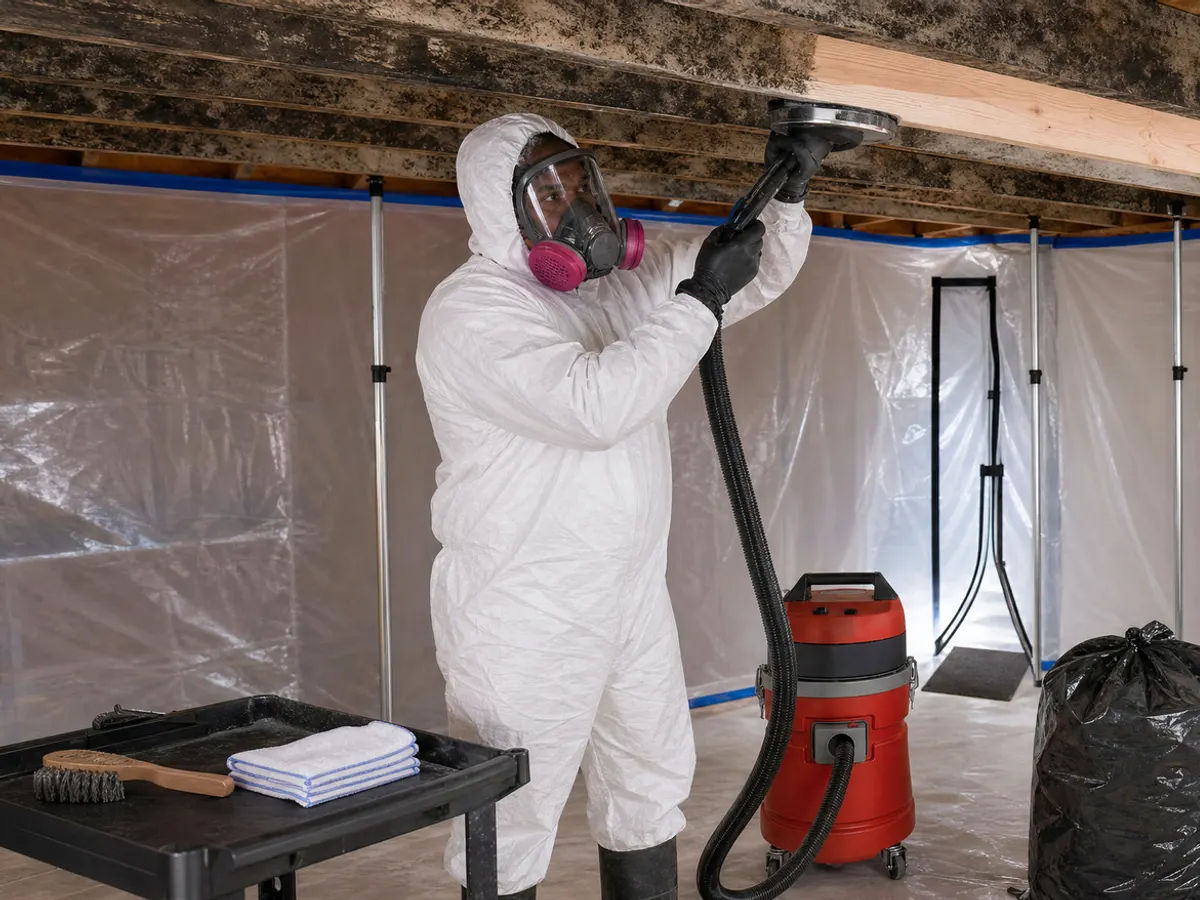
Mold removal includes HEPA vacuuming and controlled demolition of irreparably damaged materials such as drywall or carpet. Post-removal, we apply antimicrobial solutions specifically selected for their effectiveness against the types of mold prevalent in the Sacramento area. Finally, third-party clearance testing validates the success of our efforts, confirming that mold levels are within safe limits and the air is clean. This complete, thorough process showcases our commitment to excellence and our understanding of the needs of Sacramento's diverse neighborhoods, from Fair Oaks to Orangevale.

A UWRG technician shaking hands with homeowners beside the service van

Navigating the Insurance Process

Dealing with mold in your home is stressful enough without the added pressure of navigating the insurance process. At United Water Restoration Group of Sacramento Northeast, we aim to simplify this process by providing detailed documentation that outlines the extent of the mold damage and the remediation steps taken. This includes photographic evidence, air quality test results, and moisture readings that paint a clear picture of the situation.

Insurance policies can vary, and coverage is often dependent on the source and progression of the mold. Typically, mold resulting from sudden water intrusion, such as that experienced during storms or leaks, might be covered, especially in areas like Folsom which are prone to wet winters. Our knowledgeable team can help you interpret your policy specifics, ensuring you understand areas of potential coverage or limitations. We emphasize the importance of prompt action to avoid additional complications, which can impact insurance outcomes negatively.

Our goal is to alleviate the stress associated with insurance claims by working closely with you and your insurance provider. We offer guidance in completing paperwork and directly liaise with adjusters as necessary, smoothing the path to a favorable resolution. This support enables you to concentrate on moving forward while we focus on restoring your home to its optimal condition, minimizing the disruption mold can cause to your daily life.

A technician checking a wall with a moisture meter, drying equipment behind him

Why Sacramento Residents Trust Our Mold Services

At United Water Restoration Group of Sacramento Northeast, our deep-rooted knowledge of local conditions sets us apart. Sacramento's weather patterns, with their challenging mix of hot dry summers and wet winters, require precise and informed mold remediation strategies. Our expertise in tackling these climate-induced mold issues extends throughout the Sacramento Valley, including neighborhoods like Granite Bay, Rocklin, and Folsom.

Our commitment to customer satisfaction is evident in our track record of 5-star reviews, where clients frequently highlight our fast response times and professionalism. We understand that each home is unique, requiring tailored solutions that address specific problems such as attic mold in older homes near Arden or the under-floor damp common in new constructions in Roseville.

Residents trust us not only for the quality of our work but for our distinct approach to communication and transparency. We provide homeowners with clear explanations of the mold remediation plan, including step-by-step procedures and detailed updates throughout the process. This transparency builds trust and ensures Sacramento homeowners feel confident in the safety and efficacy of our mold removal efforts.

Common Causes We See in Sacramento Northeast

  • Frequent rainfall in wet winters contributing to leaks
  • High humidity levels during rainy seasons
  • Poor ventilation in older homes leading to condensation
  • Leaking roofs, especially during storm seasons
  • Plumbing leaks resulting in hidden mold behind walls
  • Groundwater seepage under slabs in Rancho Cordova homes
  • Improperly sealed windows and doors in Roseville
  • Attic mold due to lack of ventilation in older homes
  • Crawl space moisture from inadequate drainage in Carmichael
  • HVAC systems that aren't properly maintained

While You Wait for the Crew

A few minutes of the right first moves can save thousands in damage. Here is what to do — and what not to do — before we arrive.

Do

  • Turn off HVAC systems to prevent spore spread.
  • Increase ventilation by opening windows if possible.
  • Remove any standing water with towels or a mop.
  • Document visible mold with photos for insurance.
  • Keep away from moldy areas until professionals arrive.

Don’t

  • Don't attempt to clean large mold patches yourself.
  • Avoid using bleach as it can worsen mold issues.
  • Don't cover mold with paint or wallpaper.
  • Avoid moving items around to new rooms.

Crews are standing by in Sacramento Northeast right now.

Call (916) 909-7500

How It Works

Here Is What Happens When You Call

The hardest part of property damage is facing it on your own. You do not have to — from the first phone call, it is our job, not yours.

  1. A UWRG dispatcher answering an emergency call at her desk

    Step 01

    You call, a real person here answers

    Any hour, any day, your call is picked up by a real person on our Sacramento Northeast team — not a machine and not a national call center. We are locally owned and operated, so the people you talk to are the same people who show up at your door. From that moment, it stops being your problem to solve on your own.

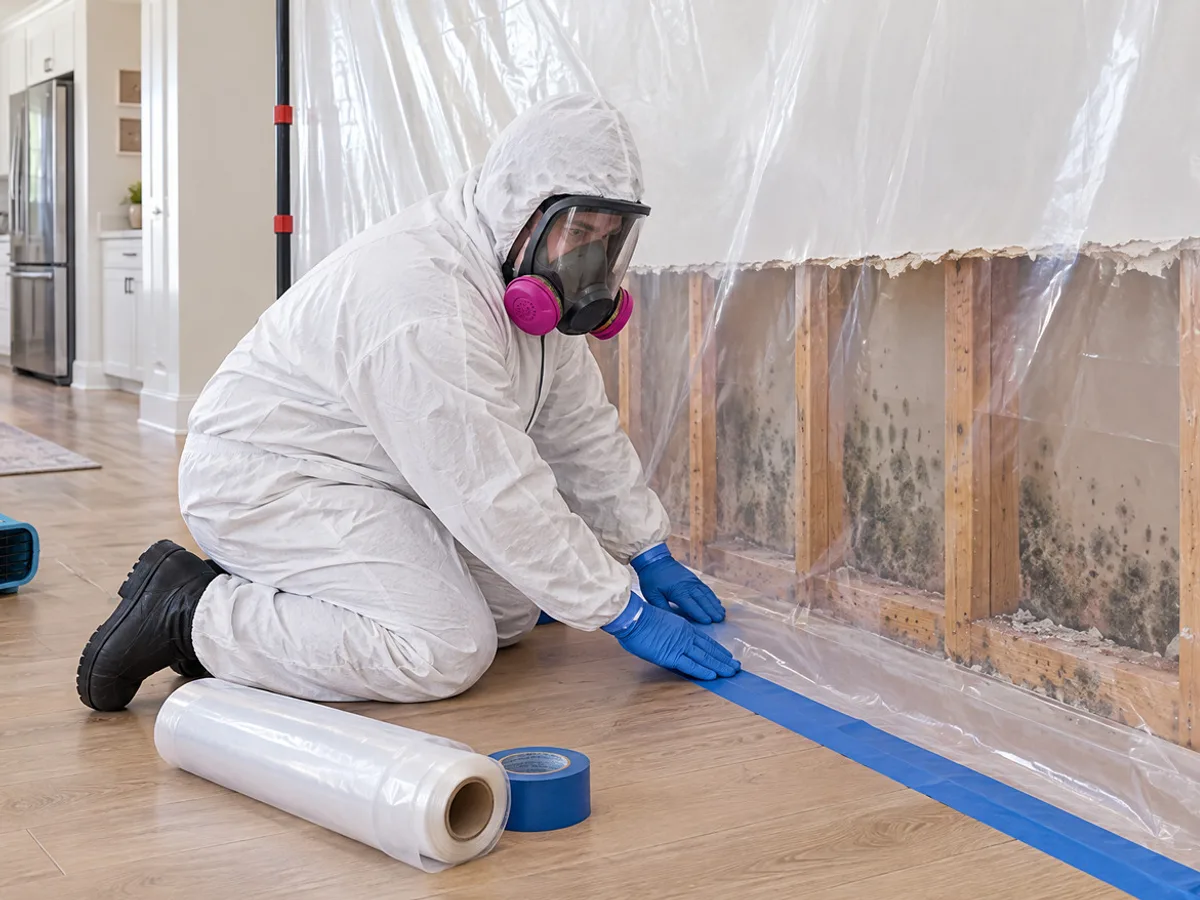
  2. A technician in a full protective suit and respirator at an opened wall cavity with visible mold

    Step 02

    Initial Mold Inspection

    We begin with a thorough inspection using moisture meters and thermal imaging technology to identify areas of concern and potential sources of moisture that support mold growth. This step is crucial to outline a detailed remediation plan tailored to the specific conditions of your home.

  3. A sealed plastic containment with an air scrubber venting outside

    Step 03

    Setting Up Containment

    Using 6-mil plastic sheeting, we set up containment barriers to isolate mold-affected areas, preventing spores from spreading during the remediation process. Negative air pressure is maintained to ensure that the spores do not cross the boundary of the containment area, safeguarding unaffected parts of your home.

  4. A technician in protective gear setting up an air filtration device

    Step 04

    Air Filtration System

    HEPA-filtered air scrubbers are deployed to clean the air, capturing even the smallest mold spores and ensuring the indoor air quality is maintained. This step is key in mitigating the risk of respiratory issues for your household during and after the remediation process.

  5. A technician in full protective gear HEPA-vacuuming mold from exposed framing

    Step 05

    Mold Removal and Cleaning

    Controlled demolition and HEPA vacuuming are used to remove mold-affected materials safely, followed by targeted antimicrobial application to prevent recurrence. This comprehensive approach eradicates existing mold colonies and conditions treated areas against future growth.

  6. A technician in protective gear checking readings inside containment

    Step 06

    Final Clearance Testing

    Independent third-party professionals conduct clearance testing to ensure that the remediation has been successful and the area is safe for reoccupation. This verification process provides peace of mind and confirms the effectiveness of our mold remediation efforts.

We Work With Your Insurance

Restoration is stressful enough without fighting through a claim alone. Our crews document everything — photos, moisture readings, and a clear scope of work — in the format adjusters expect, and we communicate with your insurance company throughout the job. You always know what is happening and what your policy covers before work begins.

AllstateState FarmLiberty MutualProgressiveNationwideFarmers InsuranceAmerican Family InsuranceChubbUniversal Property & CasualtyHeritage Insurance
Technician walking a homeowner through the insurance scope on a tablet

What This Service Covers

Attic mold removalCrawl space mold clean-upCrawl space mold detectionBathroom mold remediationMold testing and inspectionHVAC mold removalEncapsulation servicesHumidity control solutionsConstruction post-mold repairMoisture source repair

At United Water Restoration Group of Sacramento Northeast, we understand how distressing mold problems can be. Our comprehensive services not only remove mold but help prevent future growth, ensuring healthier home environments in all parts of Sacramento, from Carmichael to Roseville. Our commitment to using advanced technology and adhering to industry standards like the IICRC S520 ensures that your mold issue is resolved professionally and completely. Don’t wait for mold to compromise your home’s air quality and safety—call (916) 909-7500 to schedule your mold remediation today and secure peace of mind for you and your family.

Frequently Asked Questions

Do you handle mold removal, or do I need a separate mold company?

Mold remediation is part of the same water-damage trade, and it is work this office performs. IICRC S520, the mold standard, defines the job as returning a space to what it calls Condition 1 — normal fungal ecology — by containing the area, removing contaminated porous material, HEPA-cleaning what stays, and correcting the moisture source. Worth knowing: a few states treat assessment and remediation as separate trades, so the inspection may come from an independent assessor.

How much does mold removal cost, and what does a mold test cost?

Pricing follows the size and type of growth, not a flat rate. IICRC S520 scopes a job by affected area and condition, and EPA mold guidance draws a line around ten square feet — a patch under that is a different job from contaminated wall cavities or a crawl space. Testing is priced separately from removal, and whether clearance testing sits inside a quote varies by job. You get a written scope before work starts; inspection terms are confirmed on the call.

Do you test and inspect for mold, or only remove it?

Both halves exist, and they are deliberately not always the same hands. Several states regulate mold assessment and mold remediation as separate trades and bar one firm from doing both on the same property. This office inspects for moisture and visible growth; where a written protocol or clearance sampling is called for, an independent assessor supplies it. IICRC S520 grades what an inspection finds as Condition 1, 2 or 3 — settled spores and active growth are not the same finding.

How do you find mold you can't see, and is there a test afterward that proves it's gone?

Hidden growth is found the same way hidden water is: moisture meters, thermal imaging and cavity inspection, with readings compared against a dry standard elsewhere in the same building. On pre-testing, EPA guidance is blunt — when growth is visible, sampling is usually unnecessary, because the response does not change. Afterward, IICRC S520 calls for post-remediation verification: the area is inspected and, where the protocol requires it, sampled, with Condition 1 as the target. Scope varies by job.

What does mold remediation involve step by step, and do I have to move out while you work?

The sequence in IICRC S520 is containment first, then removal, then cleaning, then verification. Plastic containment with negative air pressure and HEPA filtration — HEPA media captures 99.97 percent of particles at 0.3 microns — is what keeps the cutting from seeding clean rooms. Contaminated porous material comes out, surfaces are HEPA-vacuumed and wiped, the structure is dried, and the area is checked afterward. Many households stay put; whether yours can depends on the rooms involved and who lives there.

Is it black mold, or just mildew or a water stain — can you tell the difference?

Color is not a diagnosis, and the species rarely changes the plan. CDC guidance says it is not necessary to identify what is growing, because mold found indoors should be treated the same way with respect to removal. IICRC S520 grades active growth as Condition 3 whatever the species, and works from moisture readings rather than appearance. A technician can usually tell growth from old staining on site; naming a species means laboratory sampling through an independent assessor.

Will the mold come back after it is removed?

Regrowth tracks the water, not the cleaning. EPA guidance is explicit that mold spores are present indoors everywhere, so what gets controlled is dampness rather than spores — keeping indoor relative humidity under 60 percent, correcting the leak or ground moisture, and adding a vapor barrier or dehumidification where a crawl space needs it. Growth that comes back in the same spot almost always means the source was never found. Conditions differ house to house.

Do you remove mold in a crawl space or attic, and can mold under the house reach the living space?

Unfinished space is in scope, and it is often where growth starts. Air moves upward through a floor system, so a damp crawl space feeds the rooms above it, and EPA guidance treats the structure as one moisture envelope rather than separate boxes. Attics usually trace to a roof leak or a bath fan venting into the space. The work follows IICRC S520: contain, remove contaminated material, HEPA-clean, then hold humidity under 60 percent with a vapor barrier or ventilation as the structure requires.

Can I clean mold myself with bleach or a store-bought spray?

Small jobs, sometimes. EPA guidance puts the self-help line at about ten square feet of growth and says bleach is not recommended as routine practice — it lightens the surface while the material underneath stays wet and contaminated. Spraying or painting over growth before an inspection is worse than leaving it, since it hides the extent without removing it. Porous material that soaked through gets removed rather than cleaned, which is where IICRC S520 draws its own line.

Will you find and fix the leak that caused the mold, and which has to happen first?

Order matters: the water source gets corrected first, or the remediation is temporary. EPA mold guidance and IICRC S520 both treat moisture control as the precondition — the same guidance that puts the mold-growth window at 24 to 48 hours of wetness. A technician traces the source with moisture mapping and thermal imaging: plumbing, roof flashing, HVAC condensate, grading. Some repairs sit inside the restoration scope and some belong to a plumber or roofer, depending on what the inspection finds.

Is mold in my house dangerous to my health?

This one takes attribution rather than reassurance. The CDC and EPA describe damp indoor spaces as associated with coughing, wheezing and upper-respiratory symptoms, and with worsening asthma in people who already have it, and they treat people with weakened immune systems or chronic lung conditions as more sensitive. EPA guidance pairs that with a dampness target: indoor relative humidity under 60 percent. Whether mold explains a specific symptom is a question for a physician.

If there's mold in the air vents, do you clean the HVAC system and ducts too?

Where growth shows up in the vents, the system is inspected as part of the mold work, though whether the cleaning falls to this office or an HVAC contractor depends on the system. EPA guidance on air ducts holds that cleaning a system with mold growing in it will not hold unless the moisture feeding it is corrected first. Running the blower meanwhile moves particles room to room. Duct cleaning follows NADCA's ACR standard, using HEPA-filtered collection rated to 99.97 percent at 0.3 microns.

If I already have a mold report and remediation protocol, can you quote from it?

A written protocol is the right thing to send; it usually carries enough to build a scope from, because it already states the affected areas, the containment required and the clearance criterion — normally Condition 1 under IICRC S520. That standard expects remediation to follow the assessor's protocol rather than reinvent it. A site visit is often still needed to measure and check access, depending on how detailed the protocol is. Say on the call that you hold one.

If a home inspection finds mold on a house I'm buying, what should I do before closing?

Get the moisture source identified before anyone argues about the growth, because that decides whether this is a cosmetic line item or a structural repair. A written scope from a remediator is what a seller concession or repair request gets negotiated against. EPA guidance puts the self-help threshold at about ten square feet; past that, it is remediation work, and IICRC S520 sets how it is verified. Timelines depend on access, scope and the closing date you are working to.

Does homeowners insurance cover mold removal?

Two things usually decide it. The mold has to follow a covered cause of loss — a sudden pipe failure generally qualifies, long-term seepage and humidity generally do not, and EPA guidance that material dried in the first 24 to 48 hours usually will not grow mold is part of why timing gets scrutinized. Most policies also carry a separate, much smaller mold limit, which is why an approved claim can pay less than the bid. Read your own wording and ask your adjuster.

Request Service Online

Tell us what happened and we will call you right back. For emergencies, calling (916) 909-7500 is always fastest — we answer 24/7.

A United Water Restoration Group of Sacramento Northeast van heading out on an emergency call at sunset

In Case of Property Damage, Call:

916-909-7500

We answer around the clock and dispatch from right here in Sacramento.

IICRC Certified · Water · Fire · Mold · 24/7 Emergency Response